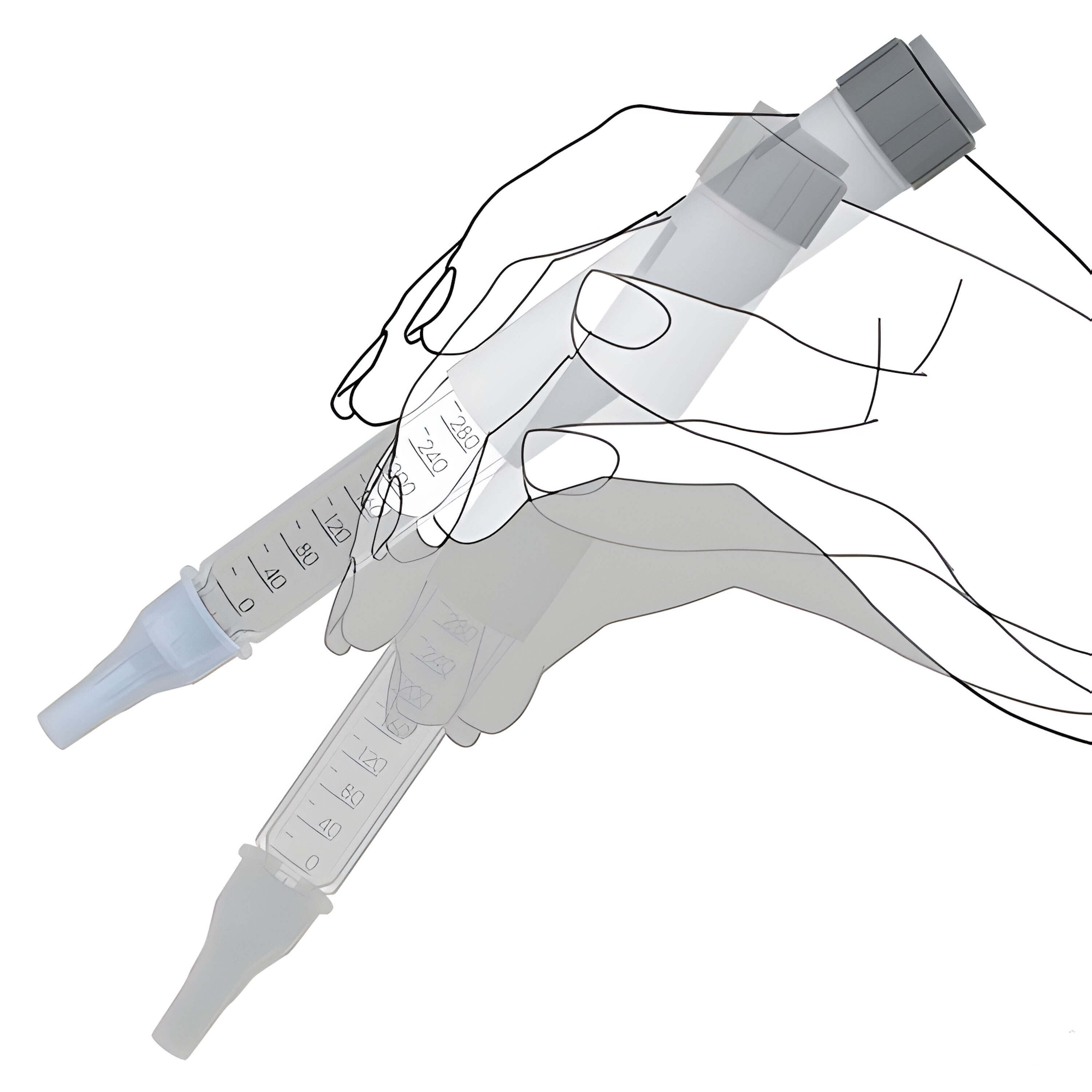
- The aim: To minimise contamination-risk and better ensure spores are viable.
-
1
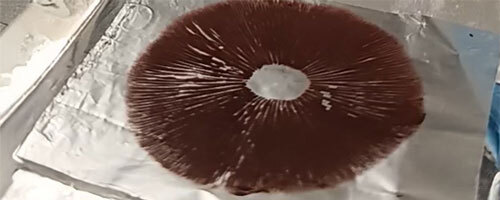
Get your Spores from a Responsible Source that understands the delicacies of handling and storage in extreme temperatures.
-
2
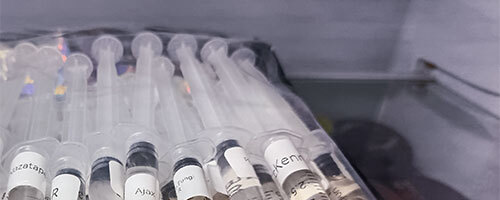
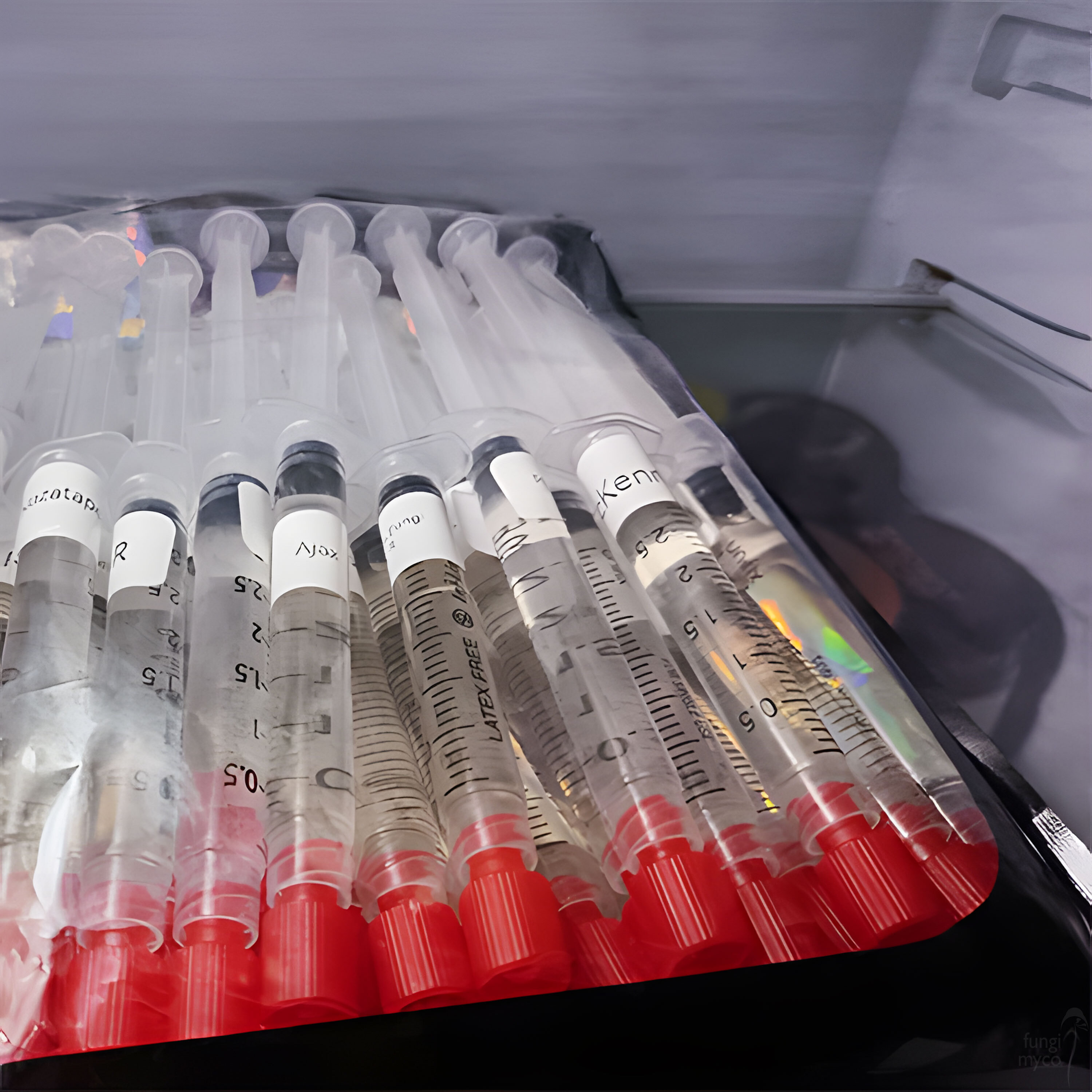
Refrigerate Spores on Arrival is the best start that you can give them (2-8°C). Heat speeds up bacterial growth so that's definitely a no for leaving in the car, letterbox or your pocket.
-
3
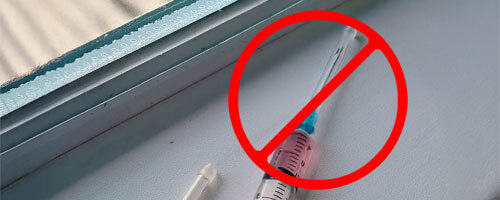
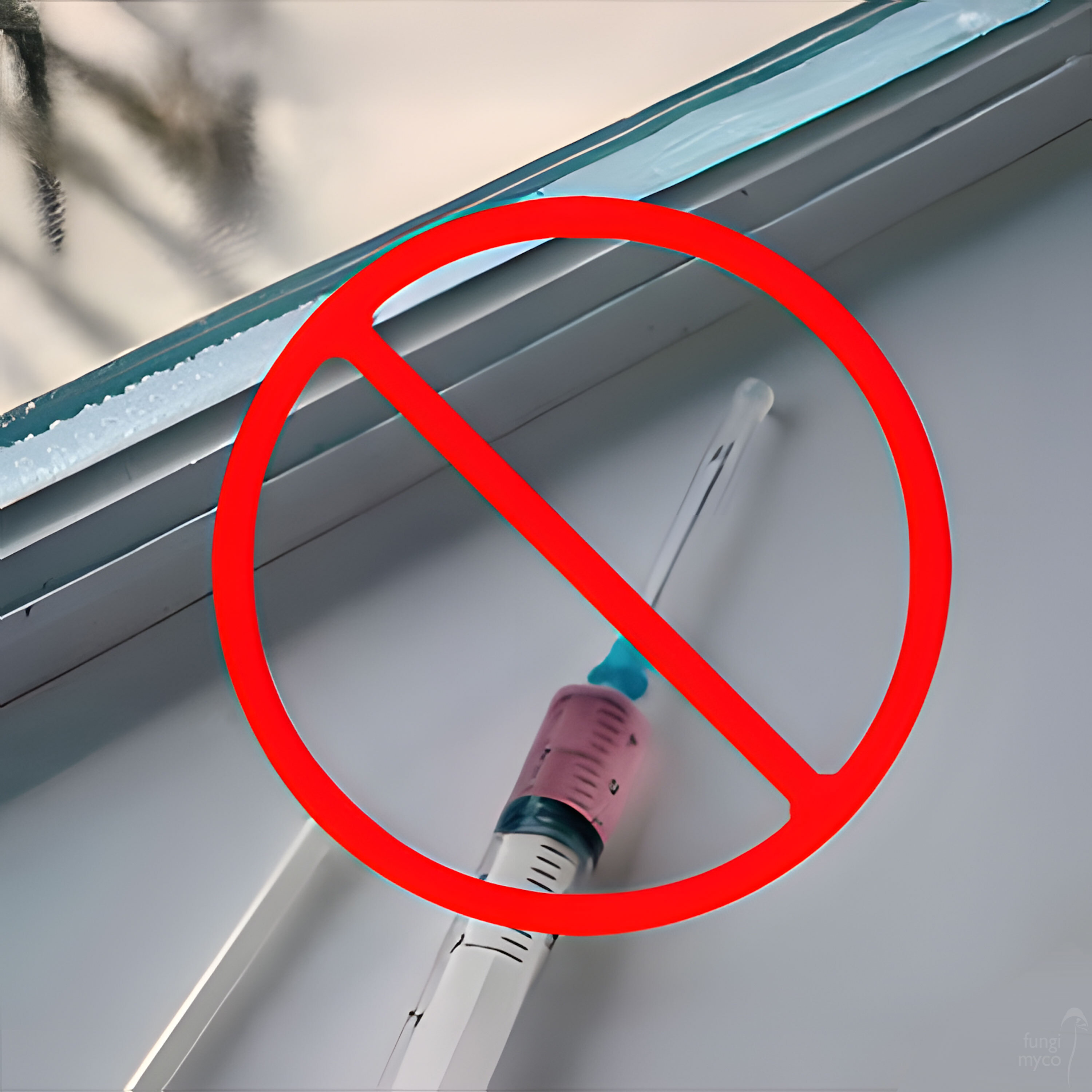
Avoid Direct UV Light to prevent drastic damage of DNA, proteins and enzymes of spores. Again the fridge is the solid solution here but other options may be a cool, dark closet, a basement, a garage or a shed - as long as they are dry and mould-free.
-
4
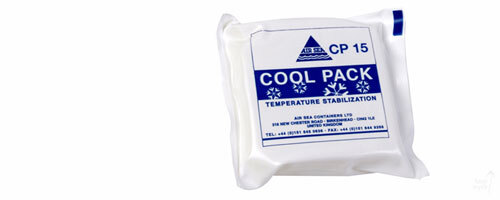
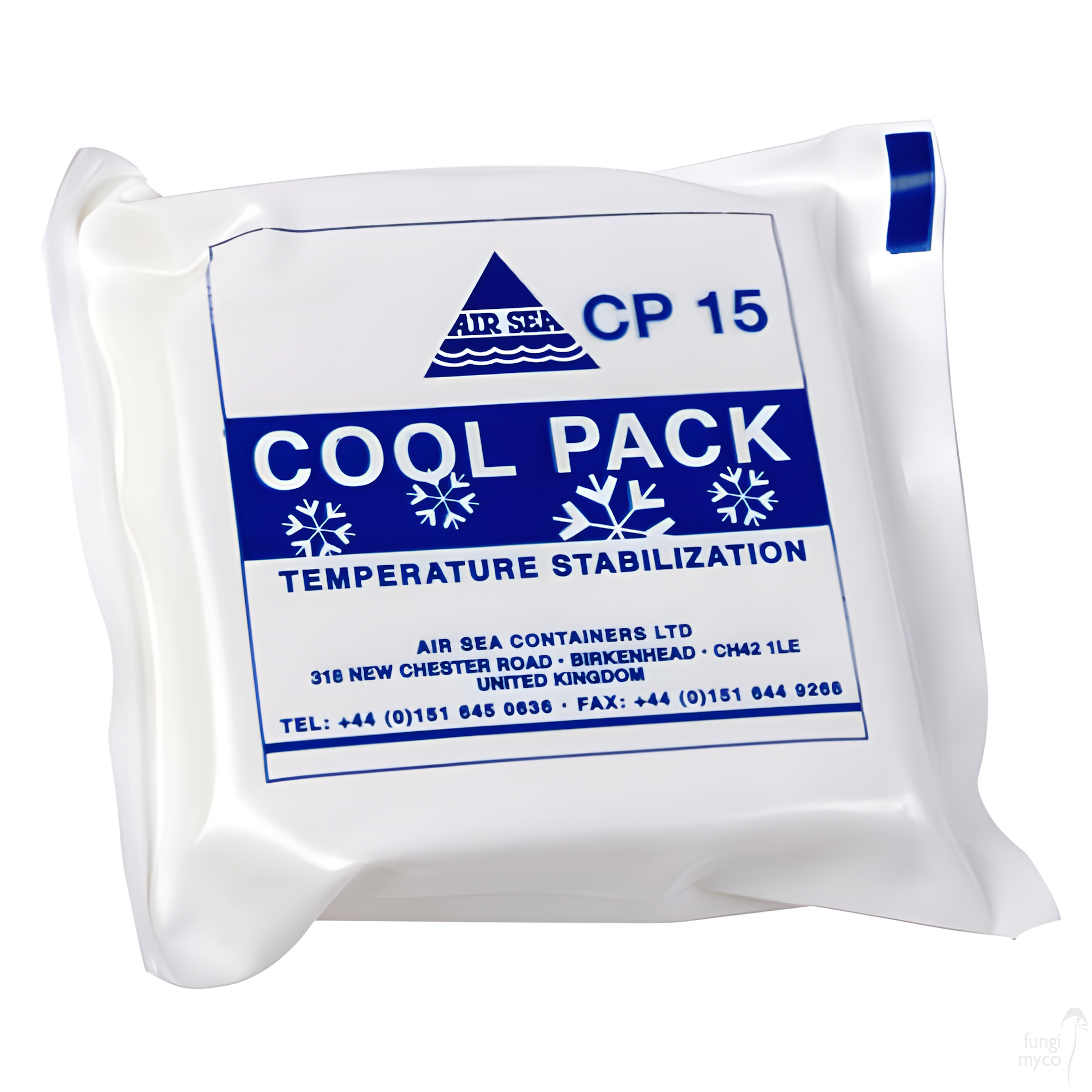
Travelling with Spores. If you're travelling with spores, a cool pack will reduce heat exposure (gel packs are best). Wrap the cool pack and spores separately, ensuring that the pack is sealed (condensation = contam-risk) and that they don't directly touch - so use bubble wrap or insulation foam.
-
5

Work Quickly in warmer temperatures to minimise air exposure. Keep caps, tips, and swabs covered as much as possible. Work in a Still Air Box (SAB) or Laminar Flow Hood.
-
6

Let Syringes Warm Gradually before using. Condensation can form inside syringes if taken straight from the fridge to a humid room. Instead let them adjust in a sealed bag for 20–30 mins.
-
7
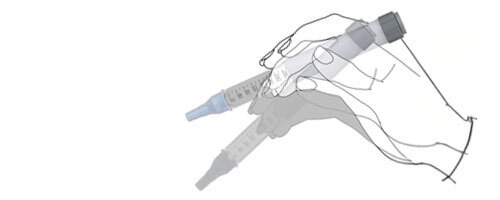
Use Sooner rather than Later. Spores can survive heat short-term, but if they’ve been exposed, use them quickly rather than storing them for months. Before applying shake gently to disperse the spores evenly.
-
8

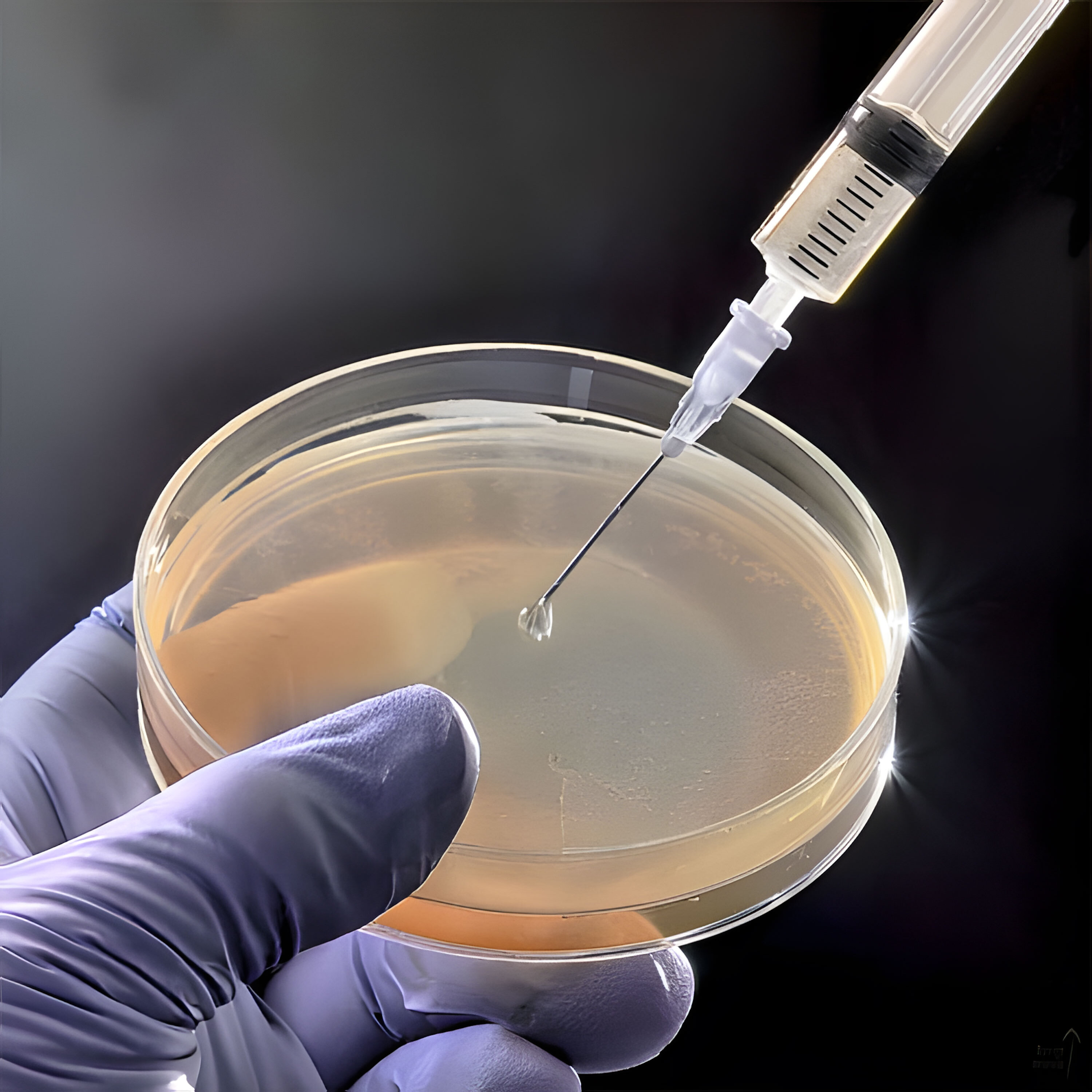
Test your Spores on Agar first. It's optional but if in doubt, you could apply a drop on agar to check for contamination before inoculating anything valuable. Better safe than slimy!
Gourmet spores only